

Success Stories That Aren’t Miracles
Real change takes time, support, and compassion. Learn what sustainable success looks like.

Growling Is Communication—Not a Behavior Problem
Growling is a warning, not disobedience. Punishing it removes safety signals and increases bite risk.

What a Wagging Tail Really Means
Tail wagging isn’t always friendly. Learn how speed, height, and stiffness change the meaning.

Subtle Stress Signals Most Dog Owners Miss
Lip licks, yawns, and freezes matter. Learn how to read early stress signals before behavior escalates.

What Is Avery's Law — and What Does It Mean for Ohio Dog Owners?
Ohio's dog laws just changed. Avery's Law introduces mandatory euthanasia orders, $100,000 insurance requirements, and criminal penalties for negligent owners. Here's what every Ohio dog guardian needs to know — and how to protect your dog before an incident ever happens.

Calm Isn’t Always Calm: Signs of Shutdown in Dogs
A quiet dog isn’t always a relaxed dog. Learn how to recognize freeze, shutdown, and emotional suppression.
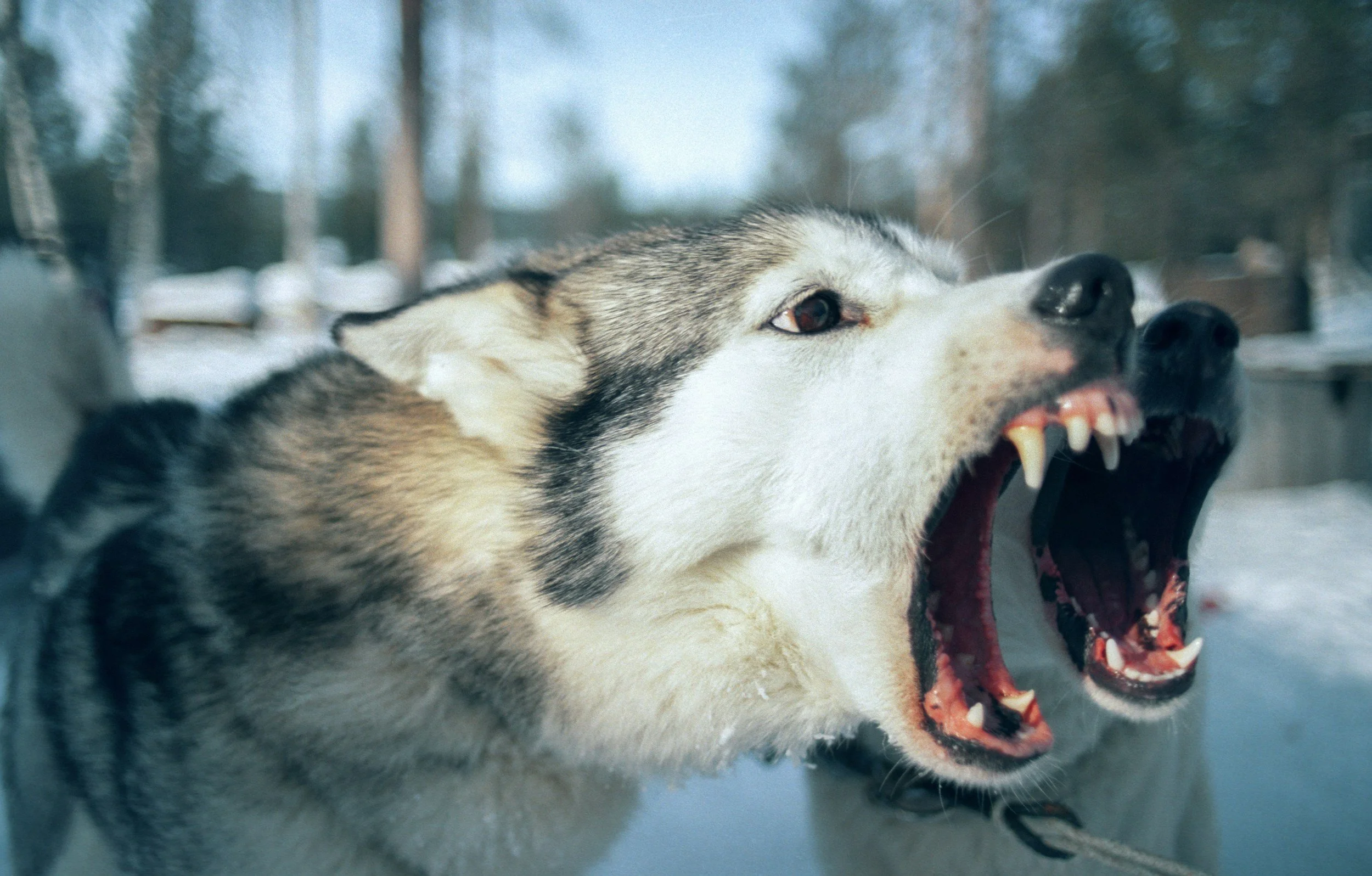
Stress, Cortisol, and Why “Just Calm Down” Doesn’t Work
Dogs can’t simply “calm down” on command. Learn how stress and cortisol affect behavior and what helps your dog truly relax.
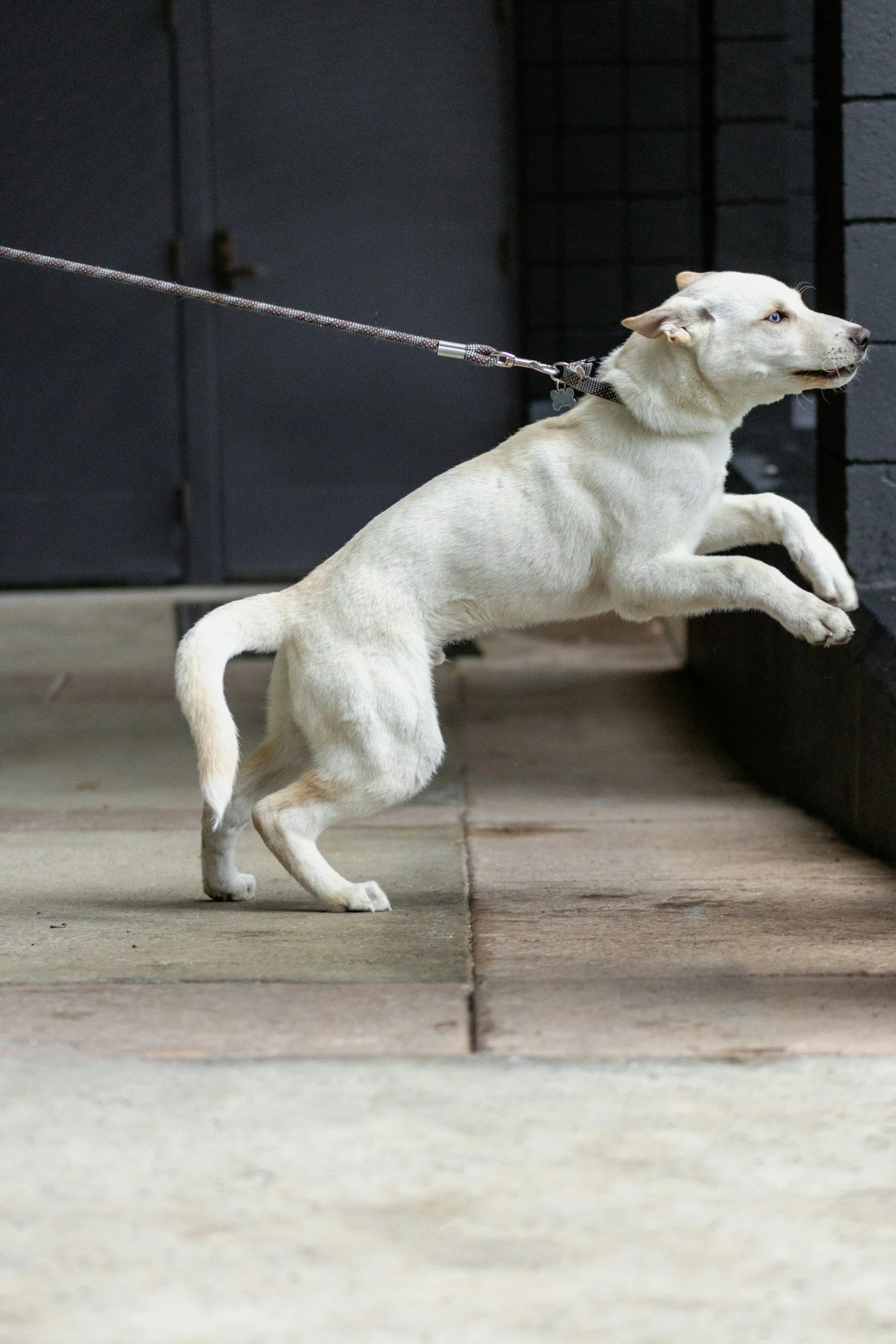
Why Your Dog Loses It on Leash (But Not at Home)
Leashes add frustration, fear, and pressure. Learn why leash reactivity happens and how to help safely.

Reactivity vs Aggression: What’s the Difference?
Not all barking and lunging is aggression. Learn the key differences and how training approaches should change.
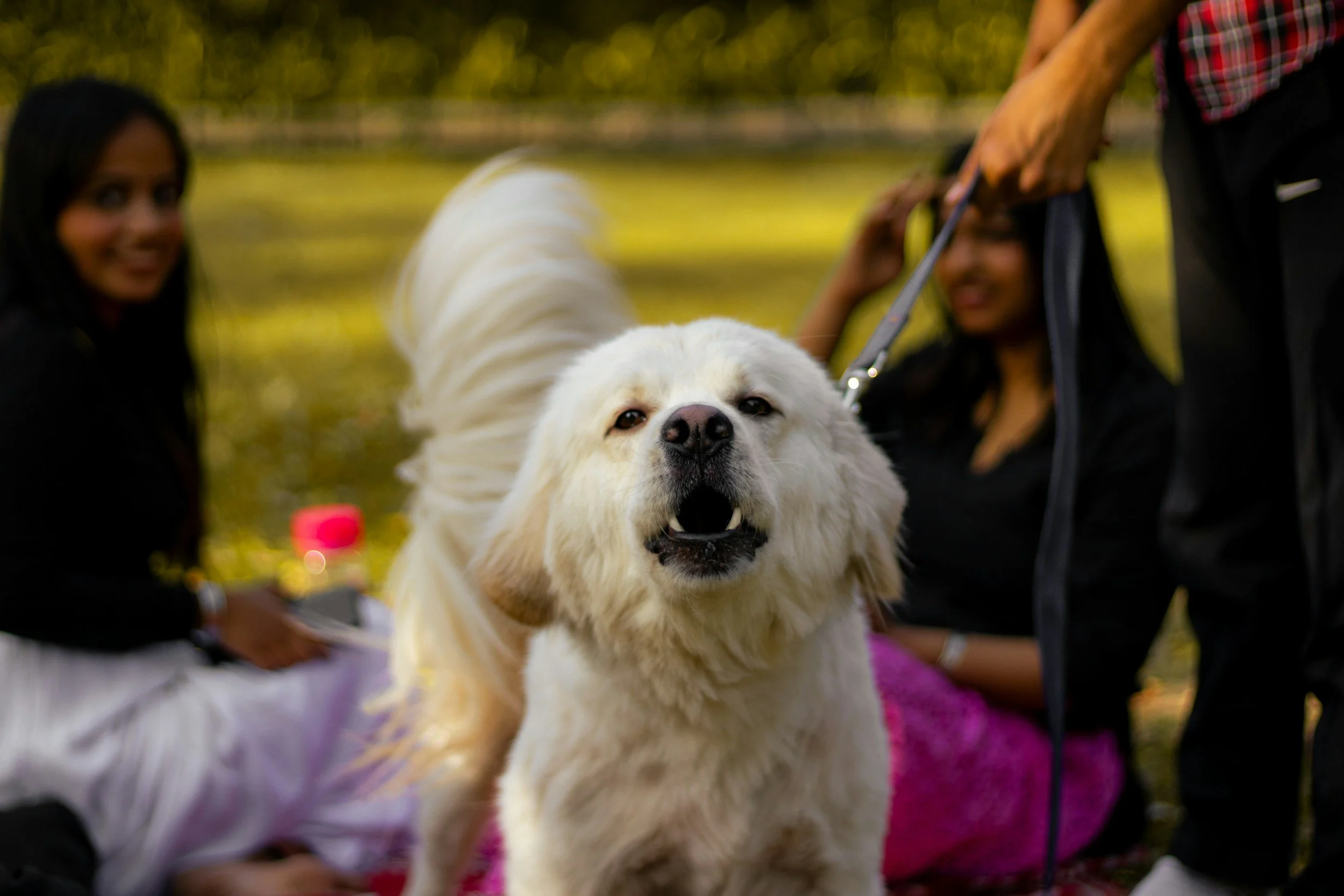
Your Dog Isn’t Being Bad — They’re Over Threshold
Learn what “over threshold” means and why stressed dogs can’t learn until safety and regulation come first.

Why Punishment Suppresses Behavior — Not Emotions
Learn why punishment-based dog training hides problems instead of fixing them, and how addressing emotions leads to safer, lasting behavior change.

How Your Dog’s Environment Shapes Behavior
Your dog’s behavior is shaped by more than training alone. Learn how your home environment, daily routines, and hidden stressors impact anxiety, reactivity, and problem behaviors — and why changing your dog’s world is often the missing piece to lasting improvement.
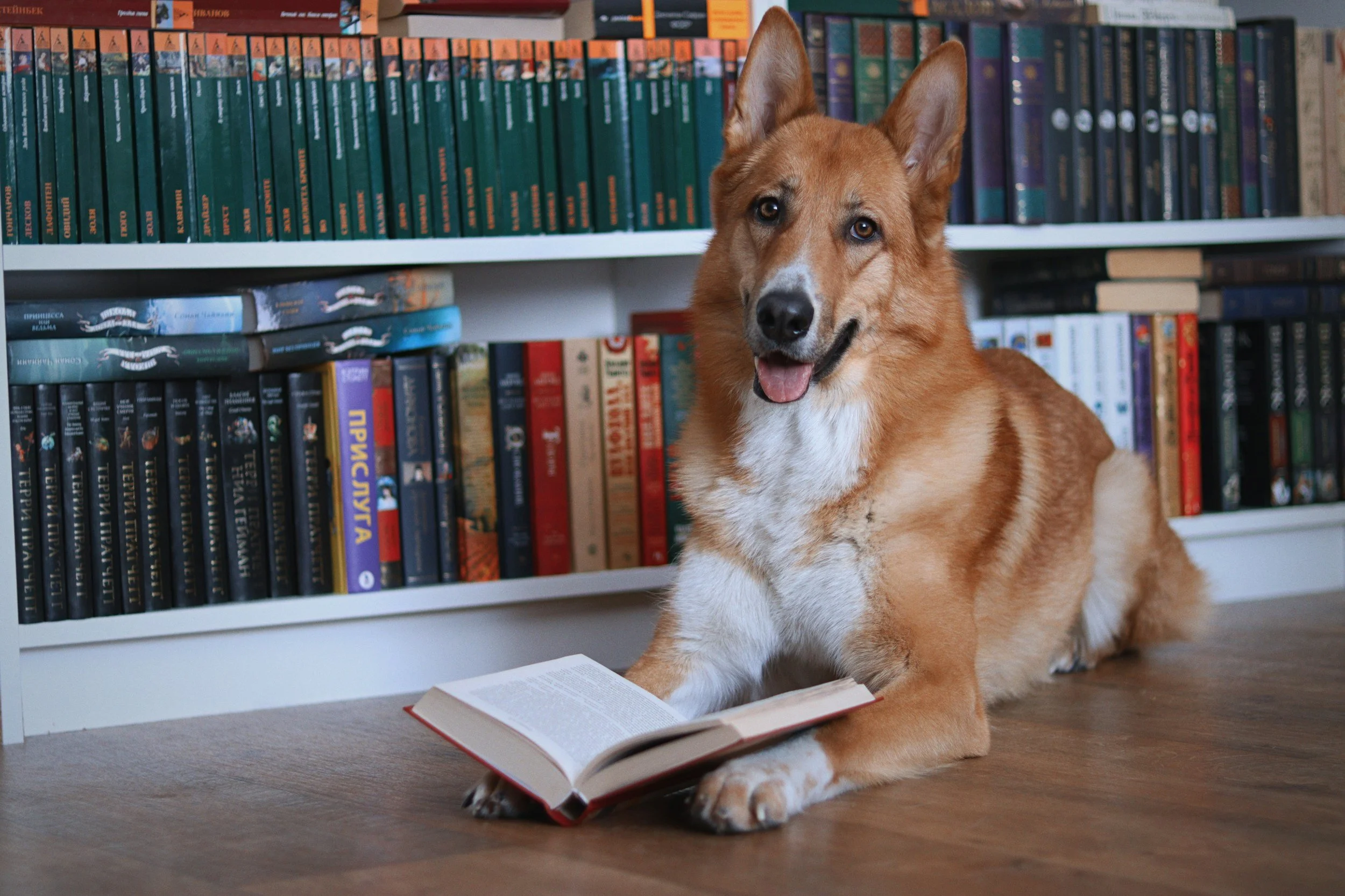
How Dogs Learn: Classical vs Operant Conditioning Explained
Confused about dog learning theory? Here’s a clear, real-life explanation of how dogs learn and why it matters.

Shock Collars vs. TENS Units: Why This Comparison Is Inaccurate and Harmful
Shock collars are often compared to TENS units to downplay harm—but the comparison is inaccurate. Learn the key differences, risks, and humane alternatives for dog training.
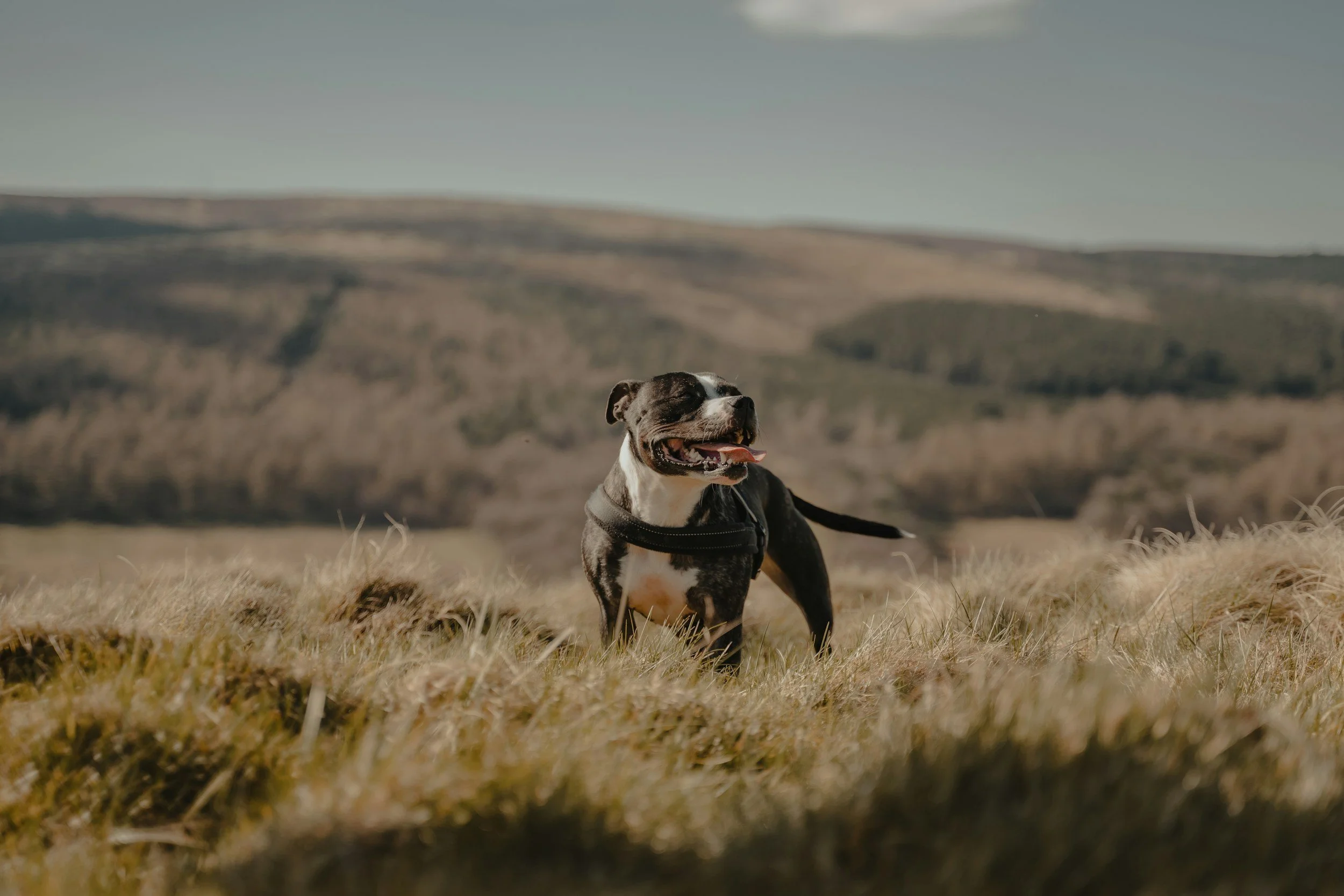
Why Your Dog Listens at Home but “Forgets” Everything Outside
Does your dog listen perfectly at home but ignore you outside? Learn why dogs don’t generalize training—and how to fix it safely and effectively.
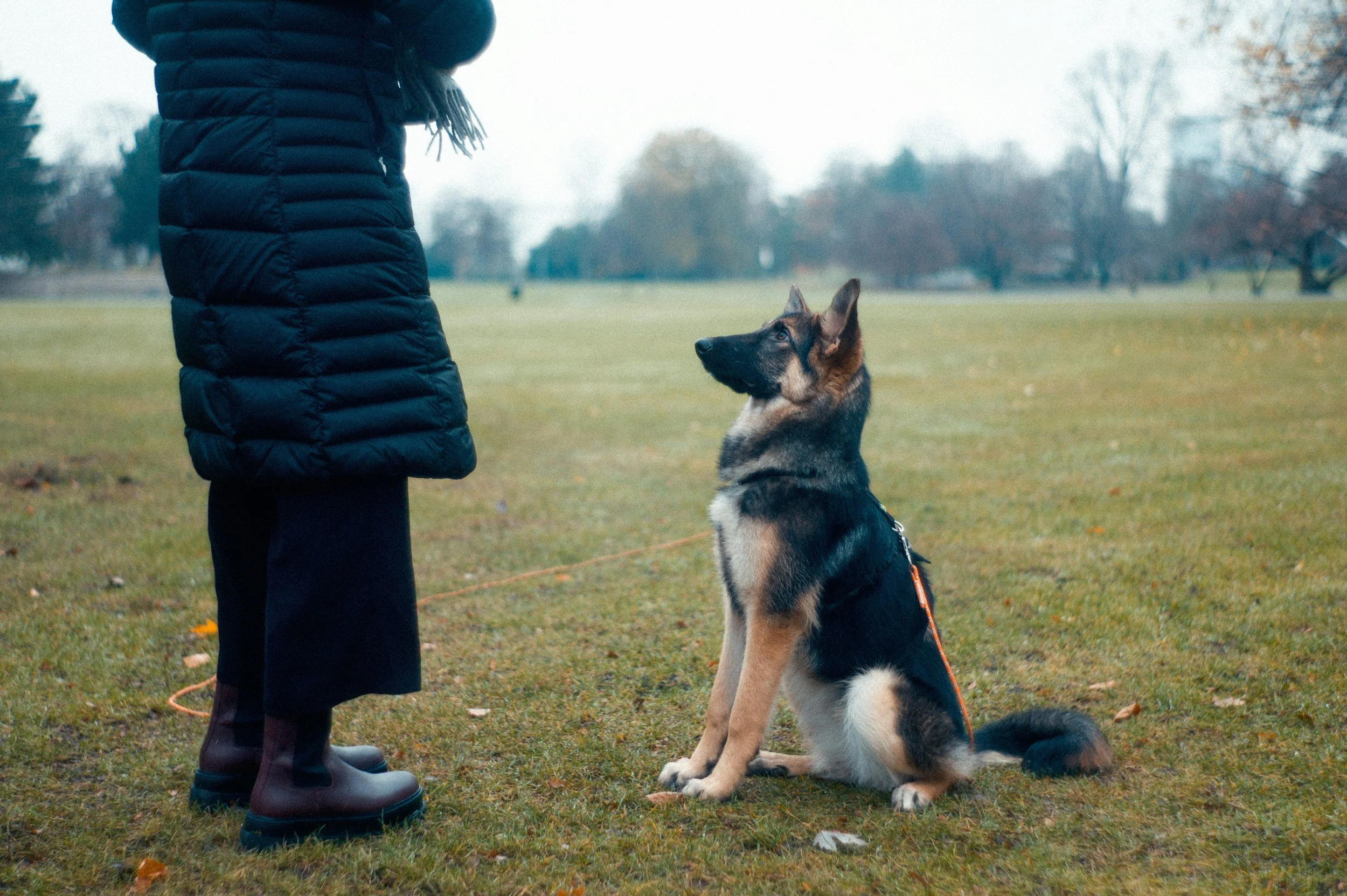
Reinforcement Is Not Bribery: Why Reward-Based Dog Training Works
One of the most common criticisms of reward-based dog training is the idea that “you’re just bribing the dog.”
If you’ve ever heard, “He only listens when you have treats,” this blog is for you.
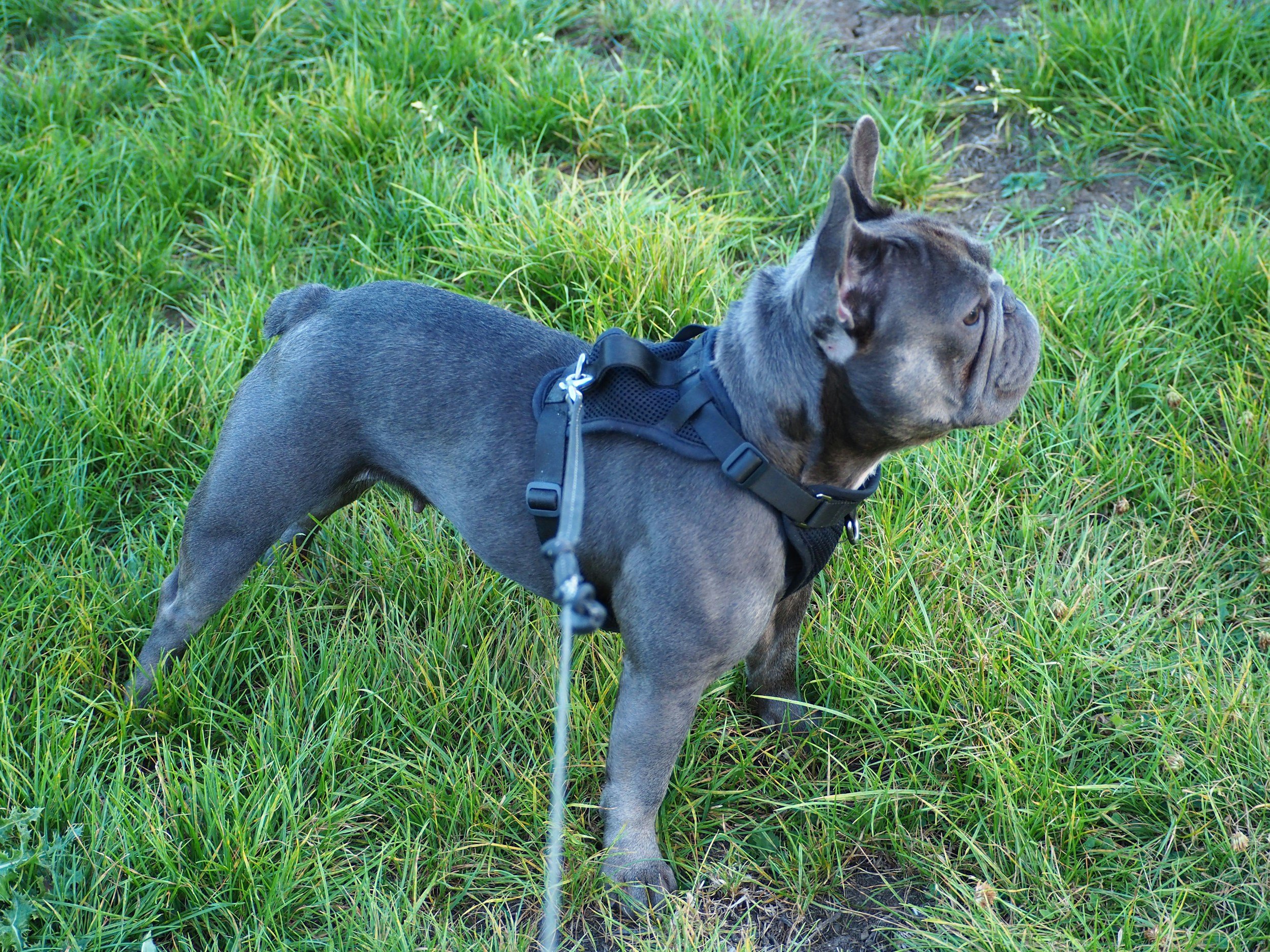
The Myth of Stubborn Dogs
The Bottom Line: Dogs Aren’t Stubborn — They’re Communicating
Dogs don’t ignore cues out of spite or dominance. They’re responding to what makes sense in that moment.

Advocacy in Dog Training: Why Speaking Up Matters
Ethical dog training goes beyond sit and stay—it’s about advocacy. Learn why trainers must speak up for dogs’ welfare and model humane practices.

Unexpected but Essential: Puppy Training Beyond “Sit” and “Down”
Most puppy parents focus on cues like sit and down—but the real game-changers are the skills you might not think to train. Teaching your puppy to accept grooming, vet care, ear and eye drops, wearing a muzzle, or even walking in booties will make their life (and yours) much easier. Puppyhood is the golden window to normalize these everyday experiences, preventing fear and stress later on. Think of it as training for real life, not just obedience.

Why We Do Virtual Consultations
At Sits ’n Wiggles, every training journey starts with a virtual consultation—because the safest, most effective way to help your dog is to begin with calm conversations, not doorbells and stress. Whether your pup struggles with reactivity, anxiety, or big feelings about strangers, meeting online first lets us focus on your goals, prevent negative first impressions, and set your dog up for success from day one.